Sofa Cleaning in [Location]: A Practical, SEO-Friendly Approach to Fresher Upholstery
Sofa cleaning in [Location] is one of the simplest ways to refresh your home, improve indoor hygiene, and extend the life of your furniture. A sofa is used every day, often by multiple people, which means it collects dust, crumbs, pet hair, body oils, spills, and odours over time. Even if a sofa still looks fine from a distance, deep within the fabric or leather, dirt can build up and affect comfort, appearance, and air quality. That is why regular sofa cleaning matters for households, apartments, offices, and rental properties alike.
Many people assume sofa cleaning is only needed after a major spill, but routine care is far more effective. With the right cleaning methods, upholstery can stay brighter, smell fresher, and remain safer for children and pets. Whether you have a fabric sectional, a leather couch, a suede loveseat, or a microfiber recliner, the process of sofa cleaning in [Location] can be tailored to the material and the level of soil. The goal is not just to make furniture look clean, but to preserve the texture, colour, and structural integrity of the upholstery.
Another reason sofa cleaning is important is that it supports a healthier indoor environment. Sofas can trap dust mites, allergens, pollen, bacteria, and even mould spores if moisture is present. For allergy sufferers, a neglected couch can contribute to sneezing, irritation, and discomfort. Regular upholstery cleaning helps reduce these hidden pollutants. Professional sofa cleaning in [Location] is especially useful when deep cleaning is required, but smart maintenance at home can also make a big difference.
Why Sofa Cleaning in [Location] Matters for Every Home
The importance of sofa cleaning goes beyond appearance. Sofas are high-touch surfaces that absorb everyday messes in ways many other furniture pieces do not. A clean-looking couch may still contain bacteria and fine debris in the seams, cushions, and armrests. Over time, these particles can create unpleasant odours and make the fabric look dull. Regular sofa cleaning in [Location] helps keep the couch looking newer for longer and prevents grime from settling deeply into the upholstery.
For families with children, the sofa often becomes a place for snacks, homework, naps, and entertainment. That means sticky spills, food crumbs, and accidental stains are common. Pet owners face extra challenges, too, because fur, dander, and pet odours can cling to fabric and padding. A consistent upholstery cleaning routine can address all of these issues before they become harder to manage. Fresh upholstery also improves the overall feel of your living room, making the space more inviting for guests and more relaxing for everyday use.
In business settings, sofa cleaning in [Location] is equally valuable. Reception areas, waiting rooms, and office lounges need to look polished and professional. Dirty furniture can send the wrong message, even if the rest of the space is spotless. Clean upholstery creates a better impression and supports a more comfortable experience for clients, staff, and visitors. That is why many property managers and business owners schedule routine sofa cleaning as part of broader maintenance.
Key benefits of regular upholstery care
- Improves the appearance of the sofa and surrounding room
- Helps reduce allergens, dust, and trapped debris
- Removes odours caused by food, pets, smoke, or moisture
- Extends the lifespan of cushions, fabric, and padding
- Supports a more hygienic living or working environment
Understanding Different Sofa Materials
Not every sofa can be cleaned the same way. One of the most important parts of sofa cleaning in [Location] is identifying the upholstery material before choosing a product or method. Using the wrong solution can stain fabric, strip colour, or damage natural fibres. That is why careful assessment is the first step in any effective cleaning routine. A good result begins with knowing whether your sofa is made from fabric, leather, velvet, microfiber, suede, or a blended material.
Fabric sofas are among the most common and are often comfortable, durable, and versatile. They can usually handle vacuuming, spot cleaning, and steam extraction depending on the manufacturer’s instructions. Leather sofas need a different approach because they can dry out or crack if cleaned with harsh products. Microfiber couches are known for stain resistance, but they still trap dust and oils. Sofa cleaning in [Location] should always be matched to the upholstery type to avoid costly mistakes.
It is also helpful to check the care label on the sofa. Many furniture labels use cleaning codes that indicate which products are safe. For example, some fabrics allow water-based cleaners, while others require solvent-based solutions or professional attention. If the label is unclear or missing, test any cleaner in a hidden area first. This simple precaution can prevent visible damage and make upholstery cleaning safer overall.
Common sofa material types and care notes
- Fabric: Often suitable for vacuuming, mild detergents, and steam extraction when approved
- Leather: Needs gentle cleaners and conditioning to prevent drying
- Microfiber: Responds well to careful brushing and targeted stain removal
- Suede: Requires delicate treatment and minimal moisture
- Velvet: Can be beautiful but should be cleaned with extra care to avoid crushing the pile
How Professional Sofa Cleaning in [Location] Works
Professional sofa cleaning in [Location] usually begins with a detailed inspection. The technician checks the upholstery type, stain locations, wear patterns, and any problem areas such as pet accidents or heavy traffic spots. This allows the cleaning plan to be customised. Instead of using a one-size-fits-all method, the process is designed around the sofa’s condition and material. That personalised approach often leads to better results and lower risk.
Next comes dry soil removal. This is usually done with strong vacuuming tools that remove loose dirt, dust, and debris from the surface and crevices. Once the dry matter is removed, the technician may apply a pre-treatment to break down stains, oils, or embedded grime. Depending on the fabric, this can be followed by hot water extraction, low-moisture cleaning, or dry cleaning methods. The goal is to lift dirt while protecting the upholstery and internal cushioning.
After cleaning, the sofa is often deodorised and allowed to dry properly. Drying time depends on the method used, the fabric thickness, and ventilation in the room. A quality service will also focus on finishing details such as grooming the fabric, restoring texture, and checking for any missed spots. This attention to detail is one of the biggest advantages of professional sofa cleaning in [Location], especially when dealing with delicate or heavily used upholstery.
Typical steps in professional cleaning
- Inspection of fabric type, stains, and damage
- Vacuuming to remove dust and loose debris
- Pre-treatment for spots, oils, and soil build-up
- Deep cleaning using the right method for the material
- Deodorising and drying for a fresh finish
Why professional methods can outperform DIY cleaning
Professional equipment is designed to clean more deeply than standard household tools. It can reach embedded dirt, remove moisture efficiently, and apply cleaning agents more evenly. For many homeowners, this means better stain removal and faster drying times. It also means less guesswork. Instead of worrying about whether a cleaner is safe, a trained technician can choose the correct product and method for the sofa.
DIY Sofa Cleaning Tips for Everyday Maintenance
Even if you schedule occasional professional sofa cleaning in [Location], everyday maintenance helps preserve the results. Regular care reduces the need for emergency stain removal and keeps the upholstery looking neat between deep cleans. The good news is that many simple tasks can be done at home without special tools. These small habits add up and make a visible difference in the long term.
Start by vacuuming the sofa weekly, including under the cushions and along the seams. This removes dust, pet hair, and crumbs before they become embedded in the fabric. Use a soft brush attachment to avoid damaging delicate materials. If a spill happens, blot it immediately with a clean cloth rather than rubbing it, which can spread the stain. For many fabrics, gentle blotting is the safest first response. Quick action often prevents permanent marking.
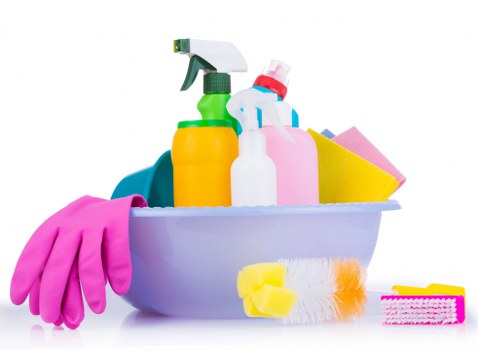
Another helpful habit is rotating or flipping cushions when possible. This helps distribute wear more evenly and reduces sagging in specific areas. You can also keep a small upholstery cleaning kit handy with a microfiber cloth, mild soap approved for the material, and a soft brush. For odour control, consider airing out the room, using washable throws, and avoiding heavy fragrances that may mask rather than remove smells.
Simple home maintenance checklist
- Vacuum weekly with a soft brush attachment
- Blot spills immediately using a dry or slightly damp cloth
- Rotate cushions to reduce uneven wear
- Use fabric-safe products only after testing them first
- Keep pets groomed to reduce fur and dander on the sofa
There are also a few common mistakes to avoid. Using too much water can leave a sofa damp for too long and may encourage mildew. Scrubbing aggressively can damage fibres and push stains deeper. Mixing cleaning chemicals is unsafe and should never be done. When in doubt, a gentle and cautious approach is usually best. For major stains, water-sensitive fabrics, or persistent odours, professional sofa cleaning in [Location] is the safer choice.
Removing Common Sofa Stains and Odours
Stains are one of the biggest reasons people seek sofa cleaning in [Location]. From coffee and wine to grease and pet accidents, upholstery can encounter many different types of marks. Each stain behaves differently, which is why the treatment method matters. A stain that is addressed quickly may lift with mild cleaning, while an older stain often needs deeper treatment and specialist products.
Food and drink stains should be blotted as soon as possible. For liquid spills, absorb as much as you can without spreading the stain. For greasy stains, a small amount of fabric-safe solution may help break down the residue. Pet accidents require special attention because they can leave both stain and odour behind. In these cases, deep sofa cleaning in [Location] can help neutralise smells and reduce the risk of bacteria lingering inside the padding.
Odour removal is another major part of upholstery cleaning. Sofas can absorb smoke, cooking smells, sweat, pet odours, and moisture-related mustiness. Simple surface cleaning may only mask the issue. A deeper cleaning process can help remove the source of the smell rather than just covering it up. This makes the room feel fresher and more comfortable. Clean upholstery supports a cleaner-feeling home overall.
Common stain types and what they usually need
- Coffee or tea: Prompt blotting and mild cleaning solution
- Wine: Immediate absorption and stain-specific treatment
- Grease or oil: Absorbent treatment followed by upholstery-safe cleaner
- Ink: Careful spot treatment with the proper solvent for the fabric
- Pet stains: Deep cleaning and odour-neutralising treatment
If a stain has already set in, resist the urge to keep scrubbing. Too much agitation can spread the problem and distort the texture of the upholstery. Instead, take a measured approach and consider calling for sofa cleaning in [Location] if the stain is large, old, or on delicate material. That way, the sofa has the best chance of being restored without unnecessary damage.
How Often Should You Schedule Sofa Cleaning in [Location]?
The ideal cleaning frequency depends on how the sofa is used. A lightly used guest room couch may only need occasional attention, while a family room sofa or office seating may require more frequent sofa cleaning in [Location]. In general, most households benefit from a professional clean every 12 to 18 months. Homes with children, pets, allergies, or high foot traffic may need it more often.
Between professional visits, regular maintenance should be part of your routine. Weekly vacuuming and prompt stain treatment can keep the sofa in better shape for longer. If you notice persistent smells, visible dirt, or a dull appearance, it may be time to clean sooner. Waiting too long allows soil to settle deeper into the fabric, making the job more difficult later.
Seasonal changes can also affect how often upholstery should be cleaned. During rainy periods, more moisture and mud may enter the home. In pollen season, allergens can accumulate faster on fabric surfaces. Around holidays and gatherings, sofas may see more use than usual. Planning sofa cleaning in [Location] around these busy periods can help maintain a cleaner, more comfortable space year-round.
Signs your sofa needs attention soon
- Visible stains or dark traffic areas
- Lingering odours even after airing out the room
- Increased allergy symptoms when sitting nearby
- Pet hair and dust that seem hard to remove
- Fabric that looks flat, dull, or less vibrant than before
Creating a realistic maintenance plan
A practical plan is often better than an occasional rushed clean. Set a reminder for weekly vacuuming, spot treatment, and cushion rotation. Then schedule deeper sofa cleaning in [Location] based on the sofa’s usage and condition. This simple strategy helps protect your investment and keeps your furniture looking presentable with less stress.
Choosing the Right Sofa Cleaning Service in [Location]
When selecting a sofa cleaning provider, look for experience, material knowledge, and a clear process. The best results come from technicians who understand different upholstery types and can explain how they will treat your specific sofa. Sofa cleaning in [Location] should not be treated as a basic wipe-down. It is a detailed service that requires the right tools, cleaners, and training.
It is also wise to ask whether the cleaning methods are suitable for your upholstery. Some services specialise in steam cleaning, while others focus on dry extraction or delicate fabric care. A reliable provider should be able to discuss stain removal, drying times, and maintenance advice. Transparency matters because it helps you feel confident that the couch is in safe hands.
In addition, consider how the service handles drying and post-cleaning care. Quick drying is important to prevent lingering moisture. A good cleaning process should leave the sofa refreshed, not overly wet. If you have sensitive fabrics or special concerns, ask whether a test area will be used first. This is often a smart step for protecting valuable upholstery.
What to look for in a sofa cleaning provider
- Knowledge of fabric, leather, and delicate upholstery care
- Clear explanation of the cleaning method used
- Ability to treat stains, odours, and heavy soil build-up
- Safe product selection for homes with children or pets
- Professional finishing that protects the sofa after cleaning
Choosing the right provider can save time, reduce risk, and deliver better results. If your sofa has expensive upholstery or sentimental value, this decision becomes even more important. With the right support, sofa cleaning in [Location] can restore comfort, improve hygiene, and give your room a noticeable lift.
Extra Tips for Keeping Upholstery Cleaner for Longer
Good habits make a huge difference in upholstery care. One useful tactic is to create simple rules for the sofa, such as no shoes, no food in certain areas, or using washable throws during movie nights. These boundaries can reduce stains and keep sofa cleaning in [Location] from becoming a frequent emergency. Small preventive steps often have the biggest long-term payoff.
Another effective strategy is to keep the room well ventilated. Fresh air helps reduce moisture and odour build-up. If the sofa is near windows, take care with direct sunlight because prolonged exposure can fade some fabrics. A balance of airflow and shade is ideal. For leather sofas, occasional conditioning may also help keep the surface supple and reduce cracking over time.
Finally, make it a habit to inspect the sofa regularly. Look between cushions, under armrests, and along seams where dust and crumbs tend to collect. Spotting issues early makes cleaning easier and prevents stains from becoming permanent. Regular attention is the easiest way to keep your sofa looking and smelling great.
Practical prevention ideas
- Use removable covers or throws on high-use sections
- Vacuum under cushions and into corners regularly
- Keep cleaning cloths nearby for quick spill response
- Trim pet nails and groom pets often to reduce fabric wear
- Schedule seasonal sofa cleaning in [Location] when needed
Final Thoughts on Sofa Cleaning in [Location]
Sofa cleaning in [Location] is more than a cosmetic task. It is an important part of home care that supports hygiene, comfort, and the long-term condition of your furniture. From removing everyday dirt to treating stubborn stains and odours, the right approach can transform the way your living space looks and feels. A well-maintained sofa invites relaxation, improves the room’s appearance, and makes everyday life more pleasant.
Whether you prefer regular DIY maintenance or choose professional upholstery cleaning, consistency is key. By understanding your sofa’s material, acting quickly on spills, and scheduling deep cleaning when needed, you can protect your furniture investment and enjoy a cleaner home environment. If your couch is due for attention, now is the right time to take action. Book your service now and enjoy the benefits of cleaner, fresher upholstery. Contact us today to take the next step toward a revitalised sofa and a more comfortable living space.
Sofa cleaning in [Location] can make a real difference in how your home feels every single day. With the right care, your upholstery can stay attractive, hygienic, and welcoming for years to come.