Insurance and Safety
 Keeping people protected is at the heart of every professional service, and our approach to insurance and safety is built around preparation, accountability, and care. Whether work is carried out indoors or outdoors, every task begins with a clear understanding of the environment, the materials involved, and the potential risks to staff, clients, visitors, and property. By combining public liability insurance, structured staff training, appropriate PPE, and a thorough risk assessment process, we aim to maintain safe working conditions at every stage.
Public Liability Insurance
Public liability insurance is a core part of our protection framework. It helps provide cover if accidental damage or injury occurs in connection with our activities. This matters because even routine work can involve unpredictable conditions, such as wet surfaces, restricted access, fragile surroundings, or unexpected movement of equipment. Having the right insurance in place supports responsible operations and demonstrates a serious commitment to safety management. It also gives added reassurance that risks are being considered not only operationally, but professionally and financially.
Our liability insurance arrangements are reviewed regularly to ensure they remain appropriate for the nature of the work being performed. This includes checking that the level of cover reflects the scale of operations and the environments in which tasks are completed. In practical terms, insurance is only one part of a wider safety culture, but it is an important one. It sits alongside safe systems of work, competent supervision, and ongoing attention to changing site conditions.
Staff Training and Competence
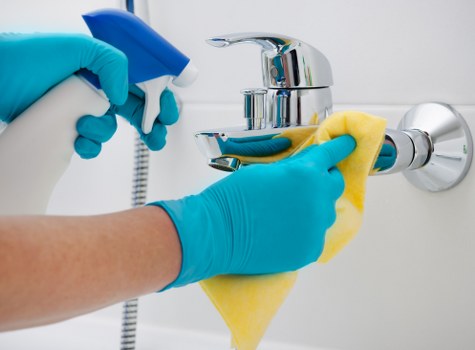 Safety is strongest when everyone understands their role. For that reason, staff training is central to our approach to safety assurance. Training begins with induction and continues through refresher sessions, task-specific instruction, and updates when procedures or equipment change. Team members are trained to identify hazards, follow safe working methods, and respond appropriately if conditions change. This helps create a consistent standard across all activities and reduces the likelihood of avoidable incidents.
Competence is more than experience alone; it also depends on awareness, communication, and the ability to apply procedures correctly in real situations. Our training focuses on practical issues such as manual handling, safe use of tools and equipment, hazard recognition, emergency response, and the correct use of PPE. Supervisors monitor performance and support staff where additional guidance is needed. This ensures that safety remains active, not simply documented.
In addition to formal training, regular safety briefings are used to reinforce good practice and discuss any current concerns. These briefings may cover weather-related hazards, access restrictions, new worksite conditions, or lessons learned from recent inspections. By keeping safety information current and accessible, we help maintain high standards across every project and reduce the chance of confusion or delay.
Personal Protective Equipment (PPE)
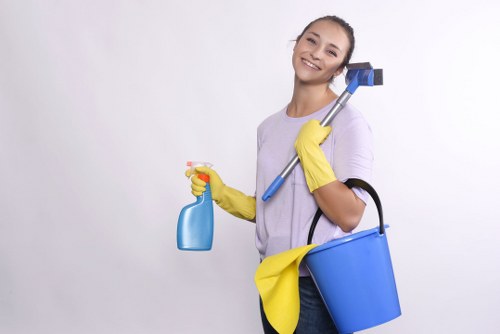 The correct PPE is issued and used where required to add an essential layer of protection. Depending on the nature of the work, this may include gloves, high-visibility clothing, safety footwear, eye protection, hearing protection, helmets, or respiratory protection. PPE is selected according to the identified risks rather than treated as a one-size-fits-all solution. It is also checked before use to make sure it remains suitable, clean, and in good condition.
Using PPE Effectively
Effective PPE use depends on correct fit, proper storage, and consistent wearing during the task. Staff are instructed to understand not only what equipment to use, but why it is needed and what limitations it has. Safety procedures make clear that PPE is a final control measure, used alongside safer working methods rather than instead of them. Where a task requires multiple forms of protection, each item is considered together so that comfort, mobility, and performance are not compromised.
We also ensure that PPE remains appropriate as work changes. If an activity involves a different hazard profile, equipment requirements are reviewed before work continues. This flexible approach helps maintain a strong standard of protection while keeping workers confident and well equipped to carry out their responsibilities safely.
Risk Assessment Process
 A structured risk assessment process underpins every activity. Before work begins, hazards are identified, the likelihood and potential impact are considered, and suitable control measures are agreed. This may involve isolating hazards, changing the sequence of work, restricting access, improving housekeeping, or assigning additional supervision. The aim is to reduce risk to an acceptable level while keeping the work efficient and practical.
Risk assessments are not static documents. They are reviewed whenever circumstances change, such as after a site inspection, a change in personnel, new equipment being introduced, or an unexpected environmental condition. This ongoing review helps ensure that control measures stay relevant and effective. Where needed, assessments are updated to reflect the most current information available, supporting better decision-making and safer outcomes.
 Our wider approach to insurance and safety is based on prevention, clarity, and continuous improvement. Public liability insurance provides a valuable safeguard, but the real strength of the system comes from combining it with trained staff, effective PPE, and a disciplined approach to risk management. Every part of the process is designed to support safe delivery, protect people, and maintain professional standards throughout the work.
Maintaining a Strong Safety Culture
A strong safety culture depends on consistent habits and shared responsibility. Everyone involved is expected to follow procedures, report concerns promptly, and remain alert to changing conditions. This includes keeping work areas tidy, using equipment correctly, and respecting control measures put in place during the risk management process. When these actions are repeated every day, they create a reliable foundation for safe operations.
By combining public liability cover, regular staff training, suitable PPE, and detailed assessments, we help ensure that safety remains central to our work. This integrated approach supports both compliance and care, allowing activities to be carried out with professionalism and confidence. It reflects a commitment to protecting people and property while delivering services responsibly.