Why Regular Cleaning Matters for Homes, Workplaces, and Everyday Well-Being
Regular cleaning is more than a household chore; it is a practical habit that supports health, comfort, productivity, and the overall look of any space. Whether you manage a busy family home, a small office, or a shared commercial environment, consistent cleaning routines help prevent dirt buildup, reduce allergens, improve indoor air quality, and create a more welcoming atmosphere. In other words, regular cleaning is one of the simplest ways to protect both your space and your peace of mind.
Many people wait until a room looks messy before they act, but regular cleaning works best when it becomes part of a routine. Small tasks done often are easier to manage than large deep-cleaning jobs done once in a while. A simple schedule can make a dramatic difference in how fresh, organized, and sanitary a property feels day after day. It also helps surfaces, fixtures, and furnishings last longer, saving time and money over the long term.
From kitchens and bathrooms to office desks and common areas, every surface benefits from consistent care. Regular cleaning does not have to mean hours of work every day. Instead, it is about using the right method at the right time to stop grime from becoming a bigger problem. When cleaning is built into daily and weekly routines, the result is a cleaner, safer, and more enjoyable environment for everyone.
The Real Value of Regular Cleaning
One of the biggest advantages of regular cleaning is prevention. Dust, grease, bacteria, and clutter build up gradually, which means the longer you leave them, the harder they are to remove. Frequent upkeep keeps these issues under control before they turn into stubborn stains, unpleasant odors, or hygiene concerns. This is especially important in high-traffic spaces where surfaces are touched constantly.
Regular cleaning also improves the appearance of a space almost immediately. A room may be beautifully designed, but if floors are dusty or counters are sticky, the overall impression suffers. Clean spaces look brighter, feel more organized, and send a clear message that the environment is cared for. This matters in homes, offices, rental properties, and customer-facing businesses alike.
There is also a mental benefit. People naturally feel calmer in clean, orderly surroundings. Regular cleaning reduces visual clutter and creates a sense of control, which can lower stress and make everyday routines feel easier. For many households and businesses, cleanliness is not just about hygiene; it is also about comfort and confidence.
Health Benefits You Can Notice
A major reason regular cleaning matters is health. Dust, pet dander, mold spores, pollen, and germs can accumulate on surfaces and in fabrics. When these irritants are not removed often, they can affect breathing, trigger allergies, or contribute to the spread of illness. Routine cleaning helps keep these risks lower by removing contaminants before they circulate through the space.
Kitchens and bathrooms are especially important. These rooms tend to collect moisture, food residue, and bacteria more quickly than other areas. Consistent regular cleaning of sinks, countertops, toilets, and high-touch points such as handles and switches helps maintain sanitation. This is not only useful for comfort but also for long-term hygiene.
For families with children, elderly members, or anyone with allergies or sensitive skin, regular cleaning becomes even more valuable. Clean floors reduce exposure to dust, and clean bedding helps limit allergens. In workplaces, clean shared areas can support employee well-being and reduce the spread of germs. A healthier space often means fewer disruptions and better day-to-day functioning.
Common health-focused cleaning priorities
- Removing dust from shelves, vents, and furniture
- Disinfecting high-touch surfaces like door handles and switches
- Cleaning bathrooms and kitchens frequently
- Vacuuming carpets and rugs to reduce allergens
- Washing linens, towels, and upholstery covers on schedule
How Regular Cleaning Supports Organization
Clean spaces are usually easier to organize. When items are put back in their proper places and surfaces are kept clear, it becomes simpler to find what you need and stay on top of daily tasks. Regular cleaning encourages better habits because you are less likely to let clutter pile up when everything is maintained consistently.
Regular cleaning also helps identify items that no longer belong in a room. While cleaning, it is easier to notice papers that need filing, expired products that should be discarded, or objects that have been left out of place. This makes cleaning a natural companion to organizing, and the two processes reinforce one another.
In busy homes, organization is often the first thing to slip when schedules become hectic. A short daily cleaning routine can make a huge difference. Even ten or fifteen minutes spent tidying surfaces, sorting items, and resetting common areas can make the space feel manageable. Over time, these small efforts reduce stress and prevent the feeling of being overwhelmed by mess.
Simple organization habits that work well with cleaning
- Return items to storage after every use
- Use baskets or bins for small belongings
- Clear flat surfaces at the end of the day
- Sort mail, paperwork, and packages immediately
- Donate or discard unused items regularly
Why Regular Cleaning Saves Time and Money
It may seem counterintuitive, but regular cleaning often saves time. When surfaces are maintained consistently, you avoid heavy scrubbing, extensive decluttering, and emergency cleanup sessions. A few minutes of routine effort can prevent hours of labor later. This is especially true for areas that collect grease, soap scum, limescale, or dust quickly.
There are also financial benefits. Dirt and neglect can damage flooring, appliances, furniture, and fixtures over time. Regular cleaning helps extend the life of these items by reducing wear and preventing permanent buildup. For example, vacuuming carpet fibers can help them last longer, while wiping kitchen appliances can preserve their finish and functionality. In commercial spaces, maintenance through regular cleaning can reduce repair costs and keep assets in better condition.
Another hidden cost of poor upkeep is lost productivity. In workplaces, disorganized and dirty environments can slow down staff and create distractions. Employees may spend extra time looking for items or avoiding cluttered areas. Regular cleaning creates a smoother workflow and supports a more efficient environment overall.
Regular Cleaning in Different Areas of the Home

Every room has different needs, and understanding those needs is the key to a successful routine. A good approach to regular cleaning is to break the home into zones and assign tasks based on how often each area is used. High-traffic rooms require more frequent attention, while low-use spaces may only need a light weekly clean.
The kitchen often needs daily care because it combines food preparation, spills, and frequent contact. Bathrooms also require regular attention because moisture encourages buildup and bacteria growth. Living rooms, bedrooms, hallways, and entryways benefit from dusting, vacuuming, and tidying, even if they do not need intense cleaning every day.
For many households, a room-by-room routine works best because it keeps tasks practical. Instead of trying to clean everything at once, you can focus on the spaces that matter most each day. This approach makes regular cleaning feel less overwhelming and more sustainable.
Room-specific cleaning priorities
- Kitchen: counters, sink, stove, appliances, bins, and floors
- Bathroom: toilet, sink, shower, mirror, faucet areas, and floor
- Bedroom: bedding, dusting, vacuuming, and clutter control
- Living room: surfaces, upholstery, electronics, and floors
- Entryway: shoes, mats, door handles, and visible dust
Tip for consistency
Use a simple checklist so nothing important is forgotten. A written or digital routine makes regular cleaning easier to maintain even during busy weeks.
Regular Cleaning for Offices and Commercial Spaces
Regular cleaning is just as important in workplaces as it is at home. Offices, shops, reception areas, and shared facilities all benefit from a clean environment that supports professionalism and comfort. A tidy workspace helps visitors feel confident in the business, while employees benefit from a healthier and more organized setting.
In commercial settings, cleanliness can also affect brand reputation. Clients, customers, and partners notice if floors are dirty, restrooms are neglected, or surfaces are dusty. On the other hand, a well-maintained property reflects care, attention, and reliability. That is why regular cleaning is often part of a strong business image.
Workplaces with shared desks, break rooms, meeting spaces, and restrooms need consistent upkeep because germs can spread easily through frequent contact. Wiping surfaces, sanitizing shared equipment, emptying bins, and vacuuming common areas are all essential parts of regular cleaning in professional settings.
Business areas that should be cleaned often
- Reception counters and waiting areas
- Shared desks and conference tables
- Kitchenettes and break rooms
- Bathrooms and hand-washing stations
- Floors, entry points, and high-touch surfaces
Building a Practical Regular Cleaning Routine
The best cleaning routine is one that fits your schedule and is easy to repeat. If a plan is too complicated, it will be difficult to maintain. Start by identifying what needs daily attention, what can be done weekly, and what only needs monthly care. This structure turns regular cleaning into a manageable habit instead of a stressful chore.
A daily routine usually covers the basics: wiping surfaces, dealing with dishes, putting items away, and quick floor care where needed. Weekly tasks may include vacuuming, mopping, bathroom cleaning, dusting, and changing linens. Monthly tasks can involve deeper attention, such as cleaning behind appliances, washing windows, or organizing storage areas. The right schedule depends on your lifestyle, space, and household size.
Consistency is more important than intensity. A smaller routine done regularly will usually outperform a long cleaning session done only once in a while. If you stay consistent, regular cleaning becomes easier, faster, and more effective over time. The goal is not perfection; it is creating a clean and comfortable environment that stays under control.
Sample cleaning schedule
- Daily: dishes, counters, quick tidying, trash removal
- Weekly: vacuuming, mopping, bathroom cleaning, dusting
- Monthly: deeper cleaning of appliances, windows, and storage areas
- Seasonally: decluttering, rotating items, and tackling hard-to-reach spaces
Keep the routine realistic
Choose tasks that match your space and lifestyle. A realistic cleaning plan is easier to follow and more likely to become a long-term habit.
Helpful mindset
Think of regular cleaning as maintenance, not punishment. Small efforts now help you avoid larger problems later.
Tools and Supplies That Make Cleaning Easier
Having the right supplies on hand makes routine cleaning much smoother. You do not need an excessive number of products, but you do need a small set of reliable tools. Microfiber cloths, a vacuum cleaner, mop, broom, buckets, and safe multipurpose cleaners can handle most everyday tasks. When supplies are organized and easy to reach, regular cleaning becomes more efficient.
It also helps to use the right product for the right surface. Some areas need gentle cleaners, while others benefit from disinfectants or specialized formulas. Reading labels and choosing appropriate supplies protects surfaces and ensures better results. This is especially important for delicate materials like hardwood, stone, or electronics.
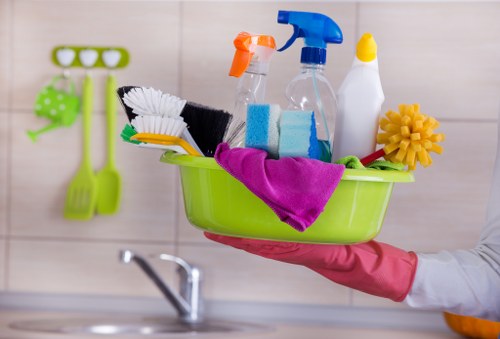
For people who want to simplify the process further, keeping a small cleaning caddy can be useful. A portable set of essentials saves time because you do not need to gather products before starting. The easier it is to begin, the more likely you are to stay consistent with regular cleaning.
Common Mistakes to Avoid
One common mistake is waiting too long between cleaning sessions. The longer dirt remains, the harder it is to remove. Another mistake is using too many products or tools, which can make the process feel complicated and discourage consistency. Regular cleaning should feel practical, not overwhelming.
People also sometimes forget the hidden areas. Under furniture, behind appliances, and along baseboards are easy to miss, but they collect dust and debris over time. Including these spaces in a routine, even occasionally, improves overall results. Attention to detail matters because a space can look clean on the surface while still harboring buildup in neglected areas.
Finally, some homeowners and businesses focus only on visible mess. True regular cleaning includes preventive habits like emptying bins, wiping handles, and caring for fabrics. These small actions help keep the entire environment cleaner for longer.
When to Consider Professional Help
Although many routines can be handled independently, there are times when professional support can make a difference. If the space is large, heavily used, or difficult to maintain on your own, outside help can save time and deliver a higher level of cleanliness. Professional services may also be useful for deep cleaning tasks that require specialized equipment or expertise.
This does not replace day-to-day care. Instead, it works alongside it. Regular cleaning keeps your space in good shape between deeper sessions, while professional attention can handle more intensive work when needed. The combination often produces the best long-term outcome for homes and businesses.
If your schedule is packed or your space needs extra attention, contact us today to explore options that fit your needs. You can also book your service now if you want to keep your environment consistently fresh, organized, and ready for daily life.
Conclusion: Make Regular Cleaning a Lasting Habit
Regular cleaning is one of the smartest habits you can build for a healthier, more attractive, and more manageable space. It supports physical health, reduces stress, prevents damage, and helps everything look and function better. Whether you are caring for a home, office, rental, or shared environment, consistency makes all the difference.
The best part is that regular cleaning does not require complicated systems or expensive tools. It simply requires a steady routine, realistic expectations, and a commitment to keeping small messes from becoming big problems. With the right approach, cleaning becomes less of a burden and more of a practical part of everyday life.
Start with a few manageable tasks, build from there, and stay consistent. Your space will feel better, your routines will run more smoothly, and the results will speak for themselves. If you are ready to improve the way your property looks and feels, book your service now and take the next step toward a cleaner environment.