Office Cleaning in Modern Workspaces: A Practical Approach to a Healthier, More Productive Workplace
Office cleaning plays a far bigger role in daily business success than many people realize. A clean workplace supports employee health, improves focus, strengthens brand image, and helps create a more welcoming environment for clients and visitors. Whether your business operates from a small shared workspace or a large corporate building, maintaining consistent office cleaning standards is essential for comfort, safety, and productivity.
Today’s workplaces face new expectations. Employees want hygienic workstations, well-maintained common areas, and clean air quality. Managers want efficient operations and fewer disruptions. Visitors notice the condition of an office the moment they walk in. That is why professional office cleaning is no longer just about appearance; it is about creating a reliable, healthy, and efficient environment that supports everyone who uses the space.
In this article, we will explore the importance of office cleaning, what it includes, how it affects productivity, and how businesses can maintain better standards over time. If you are looking for practical ways to improve your workplace, this article will help you understand the value of structured office cleaning and why regular upkeep should be part of every organization’s routine.
Why Office Cleaning Matters for Every Business

Office cleaning is not just a background task. It directly affects how people feel and perform in a workplace. A tidy, sanitary office can help reduce stress, limit the spread of germs, and make daily operations run more smoothly. Employees are more likely to stay focused in a clean environment, and clients are more likely to trust a business that keeps its premises in good condition.
Clean offices also contribute to better workplace morale. When desks are dust-free, restrooms are properly maintained, and shared spaces are organized, workers tend to feel more comfortable and valued. This can improve engagement and create a more positive atmosphere throughout the day. In many cases, office cleaning becomes a silent but powerful part of company culture.
Another reason office cleaning matters is risk reduction. Dust buildup, spills, clutter, and poor sanitation can all create hazards. Slips, allergies, and contamination are common issues in neglected environments. By prioritizing office cleaning, businesses can reduce these risks and create a safer workplace for everyone.
Core Areas Included in Office Cleaning
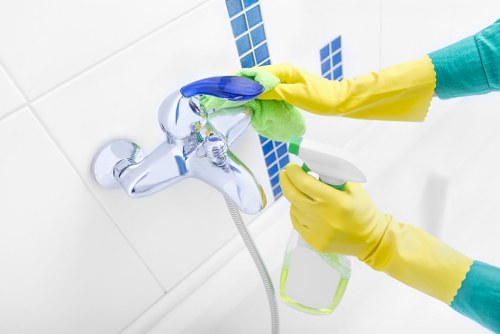
Professional office cleaning usually covers a wide range of tasks, and each area matters. The most visible spaces often receive the most attention, but behind-the-scenes areas are equally important. A strong cleaning routine addresses both the appearance and the hygiene of the workplace.
Typical office cleaning services often include dusting, vacuuming, mopping, trash removal, restroom sanitation, and surface disinfection. Depending on the size of the workplace, services may also include kitchen cleaning, breakroom maintenance, glass cleaning, and carpet care. These tasks help keep the office organized and reduce the buildup of dirt and bacteria.
It is also important to remember that office cleaning is not a one-size-fits-all process. Different businesses have different needs. For example, a law office may prioritize client-facing spaces, while a tech company may focus on shared desks, meeting rooms, and equipment sanitization. Tailoring office cleaning to the specific layout and workflow of a business often leads to better results.
Common office cleaning tasks
- Dusting desks, shelves, vents, and surfaces
- Vacuuming carpets and rugs
- Mopping hard floors
- Emptying trash and recycling bins
- Cleaning restrooms and replenishing supplies
- Sanitizing shared touchpoints such as handles and switches
- Wiping kitchen counters, sinks, and appliances
How Office Cleaning Supports Productivity
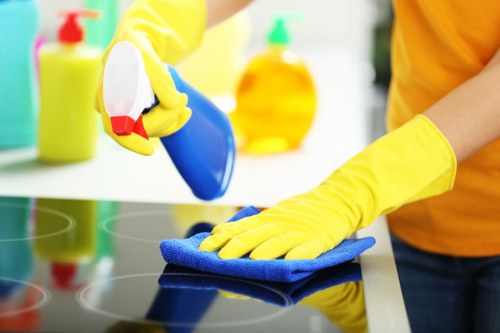
There is a strong connection between office cleaning and productivity. People often work better in environments that feel organized, fresh, and comfortable. Clutter and dirt can be distracting, while a clean setting helps employees stay mentally clear and more engaged in their tasks.
Office cleaning can reduce the time workers spend dealing with unnecessary mess. If staff members constantly move clutter, search for clean spaces, or avoid dirty shared areas, valuable work time is lost. A cleaner office allows teams to focus on their responsibilities rather than their surroundings.
Cleanliness also affects how well meetings and collaborative sessions go. Meeting rooms that are tidy, dust-free, and well-stocked help create a more professional atmosphere. Clients, partners, and employees alike are more likely to take discussions seriously in a polished environment. In this way, office cleaning becomes part of operational performance, not just maintenance.
Small improvements that make a big difference
Regular desk wiping, organized storage, and consistent trash removal can dramatically improve the feel of an office. Even small details, such as keeping glass clean and ensuring floors are free of debris, contribute to a more productive workspace. These seemingly minor actions support a smoother day for everyone in the building.
Health Benefits of Professional Office Cleaning
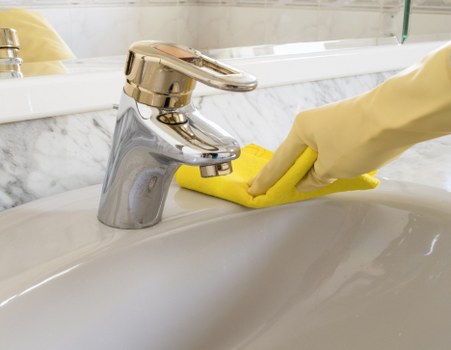
One of the strongest reasons to invest in office cleaning is health. Offices are shared environments, which means germs can spread quickly through surfaces, restrooms, kitchens, and high-touch areas. Consistent sanitation helps lower the risk of illness and creates a safer place to work.
Dust and allergens are also common concerns in office buildings. Poor cleaning can trigger discomfort for employees with sensitivities, leading to sneezing, congestion, eye irritation, and reduced concentration. Thorough office cleaning can help control these irritants and improve indoor air quality.
Restroom sanitation deserves special attention because these areas can quickly become unpleasant or unsanitary if neglected. Likewise, breakrooms and kitchens need regular cleaning to prevent odors, bacteria growth, and pest issues. By focusing on hygiene, office cleaning contributes to a healthier workplace overall.
Health-related office cleaning priorities
- Disinfecting high-touch surfaces frequently
- Cleaning shared kitchen appliances and counters
- Maintaining restroom hygiene throughout the day
- Removing dust from vents, corners, and equipment
- Reducing clutter that can trap dirt and bacteria
What Makes an Effective Office Cleaning Routine

An effective office cleaning routine should be consistent, organized, and realistic. Many businesses benefit from daily, weekly, and monthly tasks that work together to maintain a clean environment. The key is to match cleaning frequency with the level of use each area receives.
Daily office cleaning may include trash removal, restroom cleaning, touchpoint disinfection, and vacuuming high-traffic areas. Weekly office cleaning may focus on deeper dusting, floor treatment, and kitchen maintenance. Monthly or quarterly tasks can involve carpet cleaning, detailed window washing, or specialized sanitation work. This layered approach helps prevent buildup and supports long-term cleanliness.
To make the routine effective, businesses should also communicate expectations clearly. Employees should know how to keep personal work areas tidy, how to handle shared spaces, and where to place waste or recycling. When the entire team participates in cleanliness efforts, office cleaning becomes easier to maintain and more effective overall.
Helpful routine practices
- Assign daily and weekly cleaning priorities
- Track cleaning supplies and refill them as needed
- Use checklists to maintain consistency
- Inspect common areas regularly
- Encourage employees to keep desks and shared spaces organized
Office Cleaning and First Impressions
First impressions matter in every industry, and office cleaning is one of the fastest ways to influence how people perceive a business. When visitors walk into a clean lobby, pass through polished hallways, and enter orderly meeting rooms, they immediately associate the company with professionalism and attention to detail.
A clean office can also help support brand identity. For example, a modern, high-end company may want a sleek and spotless presentation, while a creative agency might want an inviting and energetic space that still feels organized. In either case, office cleaning helps reflect the values the business wants to communicate.
Employees notice these details too. When staff members see that management invests in office cleaning, they often feel more respected and motivated. A clean environment signals that the company cares about both its people and its image. That message can strengthen trust across the organization.
Areas visitors notice first
- Reception desks and entryways
- Floors and carpets
- Meeting rooms
- Restrooms
- Glass doors and windows
- Break areas and waiting spaces
Choosing the Right Office Cleaning Approach
Every workplace has different cleaning needs, so choosing the right approach is important. Some businesses rely on in-house staff for basic upkeep, while others prefer professional office cleaning services for more consistent and thorough results. The best option depends on office size, budget, schedules, and cleanliness expectations.
In-house cleaning can work well for smaller spaces or businesses that need light maintenance during the day. However, larger or busier offices often benefit from professional office cleaning because trained cleaners can handle more detailed work efficiently. Professional teams also tend to have the tools, products, and systems needed to address a wider range of tasks.
When evaluating office cleaning options, it helps to look at reliability, flexibility, and quality control. A good service should understand how to work around office schedules, protect sensitive equipment, and maintain a consistent standard over time. The goal is to create a clean workplace without disrupting daily business operations.
Questions to consider
- How large is the office space?
- How many employees use the workspace daily?
- What areas require frequent sanitation?
- Does the office host clients or visitors regularly?
- Are there special cleaning needs for carpets, floors, or equipment?
Why Regular Office Cleaning Is More Cost-Effective
Regular office cleaning is often more cost-effective than waiting for problems to build up. Dirt, stains, odors, and neglected surfaces can become more expensive to fix over time. Routine care helps preserve flooring, furniture, fixtures, and equipment, which can extend the life of workplace assets.
For example, carpet fibers last longer when they are vacuumed and deep-cleaned on schedule. Hard floors maintain their finish better when they are swept, mopped, and properly maintained. Desks, chairs, and shared equipment also benefit from regular dusting and cleaning. In this sense, office cleaning is both a maintenance strategy and a financial decision.
There is also value in reducing sick days and improving work efficiency. A healthier workplace can mean fewer absences and smoother daily operations. When employees are comfortable and able to focus, businesses may see better overall performance. This makes office cleaning a smart long-term investment rather than a simple operating expense.
Office Cleaning for Different Types of Workspaces
Office cleaning needs vary depending on the type of business. A shared coworking space, for example, may require more frequent sanitation of communal tables, meeting rooms, and kitchens because many people use the same areas throughout the day. A private corporate office may prioritize executive spaces, client lounges, and conference rooms.
Medical offices, legal offices, financial firms, and creative studios all have different cleaning expectations. Some need a strong focus on hygiene and compliance, while others need visual presentation and organization. The best office cleaning plans adapt to the way the workspace is actually used.
This flexibility is one reason why customized office cleaning is so valuable. Businesses can create plans that match usage patterns, peak traffic times, and special requirements. A tailored approach helps maintain quality without wasting time or resources.
Examples of workspace-specific needs
- Shared offices: touchpoint sanitation and trash control
- Client-facing offices: reception upkeep and meeting room polishing
- High-traffic offices: floor care and restroom maintenance
- Specialized workplaces: equipment-safe cleaning methods
Best Practices for Maintaining a Cleaner Workplace
Even the best office cleaning routine works better when supported by good workplace habits. Employees and managers can all contribute to maintaining a cleaner environment. This does not mean everyone must become a cleaner; it simply means creating a culture of respect for shared spaces.
Clear expectations are helpful. Encourage staff to clean up after themselves in kitchens and meeting rooms, store personal items neatly, and avoid leaving paper, food, or clutter on surfaces. When people take responsibility for their immediate area, professional office cleaning teams can focus on deeper and more specialized tasks.
Businesses should also review their cleaning schedule regularly. If an area becomes dirtier faster than expected, it may need more frequent attention. If a room is rarely used, cleaning can be adjusted accordingly. This kind of flexibility keeps office cleaning efficient and effective.
Practical workplace habits
- Keep desks organized and free of unnecessary clutter
- Dispose of waste properly throughout the day
- Wipe spills immediately
- Respect shared equipment and kitchen areas
- Report maintenance or cleanliness concerns early
How Office Cleaning Supports Sustainability
Modern office cleaning can also align with sustainability goals. Many businesses now want cleaning practices that reduce waste, improve efficiency, and support healthier indoor environments. Eco-friendly products, controlled chemical use, and smarter supply management can all contribute to greener operations.
Using environmentally conscious methods does not mean sacrificing quality. In fact, many sustainable office cleaning approaches are highly effective when used correctly. Microfiber cloths, reusable supplies, concentrated solutions, and responsible waste sorting can all lower environmental impact while keeping the office clean.
Sustainability also includes reducing unnecessary consumption. When offices clean and maintain furniture, flooring, and fixtures properly, they often extend the lifespan of those items. That means fewer replacements and less waste over time. Office cleaning can therefore support both operational goals and environmental responsibility.
Eco-friendly office cleaning ideas
- Use low-toxicity cleaning products where appropriate
- Reduce paper towel waste with reusable options
- Sort waste and recycling correctly
- Choose efficient equipment and cleaning methods
- Maintain items to delay unnecessary replacement
Creating a Better Office Environment Through Consistency
Consistency is the foundation of successful office cleaning. One deep clean can improve appearance temporarily, but only regular maintenance keeps standards high. Offices that stay clean week after week usually have clear routines, shared responsibility, and reliable support systems.
When office cleaning is consistent, the workplace feels calmer and more predictable. People know what to expect when they arrive each day. This can reduce friction, improve satisfaction, and make the environment more pleasant for both employees and guests. Over time, that consistency becomes part of the company’s identity.
For businesses that want to make a strong impression and create a healthier work environment, office cleaning should be treated as a priority rather than an afterthought. Clean surroundings help people work better, feel better, and trust the organization more. If your workplace needs a better standard of cleanliness, now is the time to act. Contact us today to improve your office environment and book your service now for a cleaner, more productive workspace.